
Caring for Yourself Is Part of Caring for Them
Caregiver self-care is an essential part of providing meaningful cancer caregiver support, yet caregivers often place their own needs at the bottom of a very long list. When someone you love is facing cancer, it can feel natural to give everything you have—your time, energy, attention, patience, and even the last decent snack in the house. But continuously caring for someone else without restoring yourself can leave you physically and emotionally exhausted. Your rest matters just as much as the love you so freely give.
You Are a Person, Not an Unlimited Resource
Caregivers often become appointment coordinators, medication trackers, drivers, advocates, listeners, cooks, and late-night worriers. All while trying to keep everyday life moving. That is a lot for one human being, even one powered by love.
Feeling tired, frustrated, overwhelmed, or in need of time alone does not make you selfish or uncaring. It makes you human. You can deeply love someone and still need space to breathe. You can be grateful to help and still admit that caregiving is difficult. Both truths can exist at the same time.
Recognizing your limits is not a failure. It is an honest and necessary part of caring for yourself.
Rest Is Necessary! not Something You Must Earn
Rest does not have to wait until every task is finished because, let’s be honest, caregiving has a way of creating new tasks before the old ones have even left the building.
Rest might mean taking a nap, sitting quietly, enjoying a warm meal, listening to music, going outside, praying, journaling, or watching something that makes you laugh. It may also mean allowing another trusted person to take over for an hour while you do absolutely nothing productive—and doing so without apologizing.
You do not have to earn rest through exhaustion. Rest helps restore the patience, clarity, and emotional strength needed to continue providing compassionate care.
Let Other People Help Carry the Weight
You do not have to manage every responsibility alone. Asking for help may feel uncomfortable, especially when people say, “Let me know if you need anything,” but are unsure what to do. Specific requests can make it easier for others to step in.
You might ask someone to:
- Prepare or deliver a meal.
- Provide transportation to an appointment.
- Pick up groceries or prescriptions.
- Sit with your loved one while you rest.
- Handle a household chore.
- Call and listen without trying to fix everything.
Accepting help does not mean you are incapable. It means you understand that sustainable caregiving requires support. Even the strongest caregiver needs someone in their corner.
Protect Your Emotional Well-Being
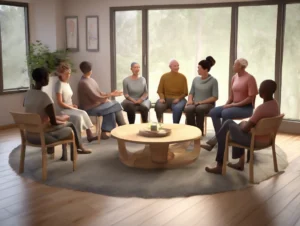
Caregiving can bring fear, sadness, anger, guilt, uncertainty, and anticipatory grief. These feelings deserve care rather than judgment. Consider speaking with a counselor, support-group facilitator, faith leader, healthcare professional, or trusted friend who gives you room to be honest.
Check in with yourself regularly by asking:
- What am I feeling today?
- What does my body need?
- What responsibility can I release or share?
- What is one small thing that would help me feel restored?
Your answer does not have to be profound. Sometimes it is a meaningful conversation. Sometimes it is a good cry. Sometimes it is ten uninterrupted minutes and a cup of tea that is still warm when you drink it.
Your Needs Matter Too
The person receiving care is important and so are you. Your health, emotions, identity, and dreams do not disappear because someone you love needs support. Making room for your needs does not reduce the love you give; it helps protect your ability to continue giving it.
Radient Resilience honors caregivers as an essential part of the cancer journey. We see the quiet sacrifices, the private worries, and the strength it takes to keep showing up. We also want you to remember that resilience includes knowing when to pause, receive support, and care for the person in the mirror.
Share this article with a caregiver who needs permission to rest. Explore Radient Resilience for compassionate encouragement and resources created for cancer fighters and the people who walk beside them.
Medical disclaimer: This article is intended for educational and inspirational purposes only. It is not a substitute for professional medical or mental-health advice, diagnosis, or treatment. Contact a qualified professional with questions about your health or well-being.
“Rest does not diminish the love you give. It restores the heart that gives it.” — Radient Resilience