
Hope Can Exist Beside the Hard Days
Finding hope after a cancer diagnosis does not mean pretending everything is fine. A diagnosis, especially endometrial cancer, can bring fear, anger, grief, uncertainty, and enough questions to fill a very large notebook. Whatever you are feeling is valid. You do not have to smile through every appointment or remain strong every minute. Sometimes resilience looks like taking the next step. Sometimes it looks like resting, crying, praying, asking for help, or simply getting through today.
Your Diagnosis Is Part of Your Story, not the Ending
Cancer may change the direction of your life, but it does not erase who you are. You are still a whole person with dreams, gifts, relationships, and a purpose beyond your medical chart. Give yourself permission to process the diagnosis at your own pace. Hope may arrive quietly. A reassuring conversation, a treatment milestone, a peaceful morning, or one unexpectedly good laugh when you thought laughter had packed its bags and left town.
Survivorship and treatment experiences are different for every cancer fighter. Instead of comparing your journey with someone else’s, focus on what helps you feel informed, supported, and empowered. Ask your healthcare team questions, write down important information, and bring someone you trust to appointments whenever possible.
Build a Circle That Helps Carry the Weight
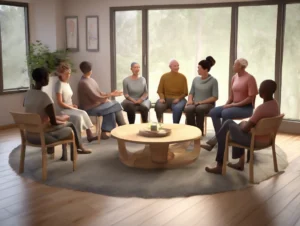
You were never meant to navigate cancer alone. A dependable support system can include relatives, friends, caregivers, faith communities, counselors, healthcare professionals, and cancer-support groups. Some people will offer emotional comfort, while others may help with meals, transportation, childcare, or appointments. Let them help in ways that genuinely support you.
Be clear about what you need. “Please sit with me” is a complete request. So is “I do not want advice right now.” Healthy support should make room for your truth without pressuring you to perform strength. Through compassionate encouragement, shared experiences, and educational resources, Radient Resilience™ reminds cancer fighters and caregivers that collective strength can make a difficult road feel less lonely.
Practice Resilience One Day at a Time
Cancer resilience is not something you either have or do not have. It can be nurtured through small, intentional choices. Mindful breathing, prayer, gratitude, gentle movement, music, journaling, and quiet moments outdoors may help you remain grounded when the future feels uncertain.
Try asking yourself three simple questions:
- What am I feeling today?
- What does my body need?
- What is one kind thing I can do for myself?
Your answers may change from day to day and that is perfectly okay. On some days, strength may look like completing your to-do list. On others, it may look like canceling the list and taking a nap. Both count. Resilience is not measured by constant productivity or positivity; it is reflected in your willingness to keep caring for yourself through every kind of day.
Make Room for a Hope That Feels Honest
Hope does not demand that you ignore reality. It gives you something steady to hold while you face it. It may mean trusting your medical team, celebrating progress, accepting support, reconnecting with your faith, or believing there are still meaningful moments ahead.
You do not need to have the entire journey figured out today. Take one appointment, one decision, and one breath at a time. Your diagnosis may have become part of your story, but it does not own the pen. Radient Resilience is here to walk beside you with supportive encouragement, as you reclaim your courage, power, and purpose.
Explore Radient Resilience resources, share this article with someone who needs encouragement, and remember—you belong to a community that sees your courage on both the good days and the hard ones.
Medical disclaimer: This article is intended for educational and inspirational purposes only. It is not a substitute for professional medical advice, diagnosis, or treatment. Always consult a qualified healthcare professional with questions about your health or care.
“Hope does not require you to ignore the hard days. It simply reminds you that the hard days do not get to write the ending.” — Radient Resilience